One thing I enjoy doing in my free time is trying to fix things. Not always with the best results, but sometimes it works.
So, I went for a stroll through a flea market “just to have a look” and came back home with three wrecks. Two of them, since they use film that’s no longer produced, are just for decoration (or maybe not?).
But one… one is a piece of history: the Mamiya 645.
The M645 was manufactured from 1975 to 1987. This was the first model to offer a 6×4.5 cm frame, allowing 15 shots on a standard 120 roll film.

I first showed it to an expert, who told me the issue seemed to be electrical rather than mechanical (he only cleaned the lens, a work still to difficult for me). The next weekend I grabbed my tools and some spare parts and started to operate on it by myself.
The most common problem with these cameras seems to be a capacitor that fails over time. So I started from there. I ordered the closest replacement I could find—the original was 6.3V and 470μF, and I could only get 16V 470μF ones—but it should still work. Should.


I’ve been able to replace it easily, tested it—and… nothing. No signs of electrical life at all.
After hours spent checking every wire, every solder joint, every connection, and asking help to my friends I finally discovered the real issue: the battery holder was corroded at the negative terminal, I already cleaned and brushed it but the problems was between the internal connecting parts, and that alone was enough to keep the camera from powering up. I took a contact from a battery pack and fitted it into the Mamiya—and boom, it worked!
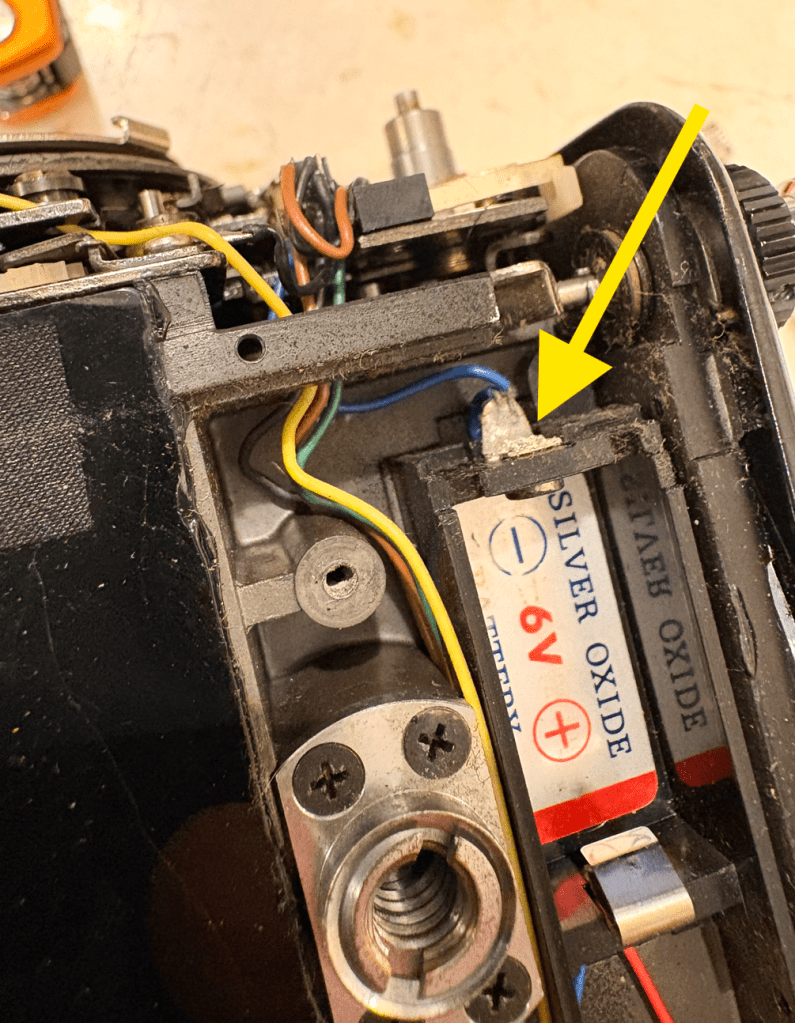
The higher-voltage capacitor took a little while to “settle in” because of its larger size, it couldn’t handle rapid consecutive shots at first and kept jamming, but by the next day, that problem had disappeared.
After slightly adjusting the shutter curtain springs to fine-tune the tension, all that was left was to reassemble everything, put new light seals and test it with a roll of film.
I loaded a Kodak Gold 200 and headed to the seaside around Zushi and Hayama.
Here are the results.
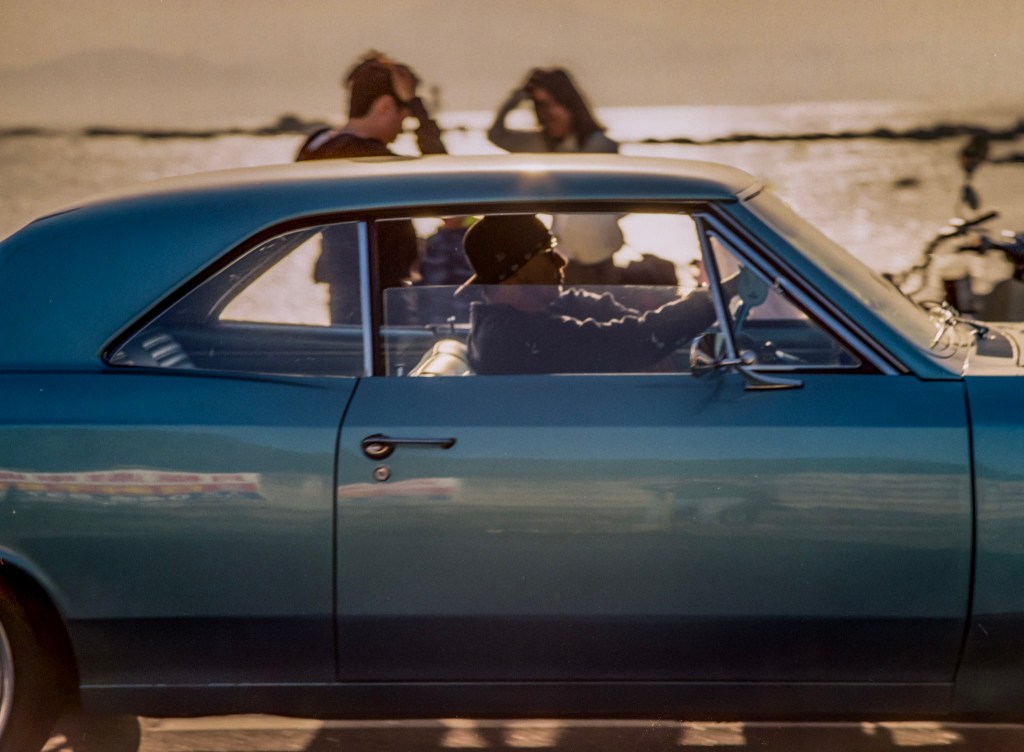









In the end, everything seems to work perfectly. The shutter speeds are accurate, the light meter is spot on, and the lens is in great shape. Was it a risk? Yes.
Was it worth it? Oh yes!
Subscribe or Login to see more
 Gabriele T. Enna