Tungsten film and neon signs, what could go wrong?
This is my personal experience, not a professional review, of the Reto Amber T800.
To be clear, this was my first time using tungsten film after sunset. Everybody has to start somewhere, don’t you?
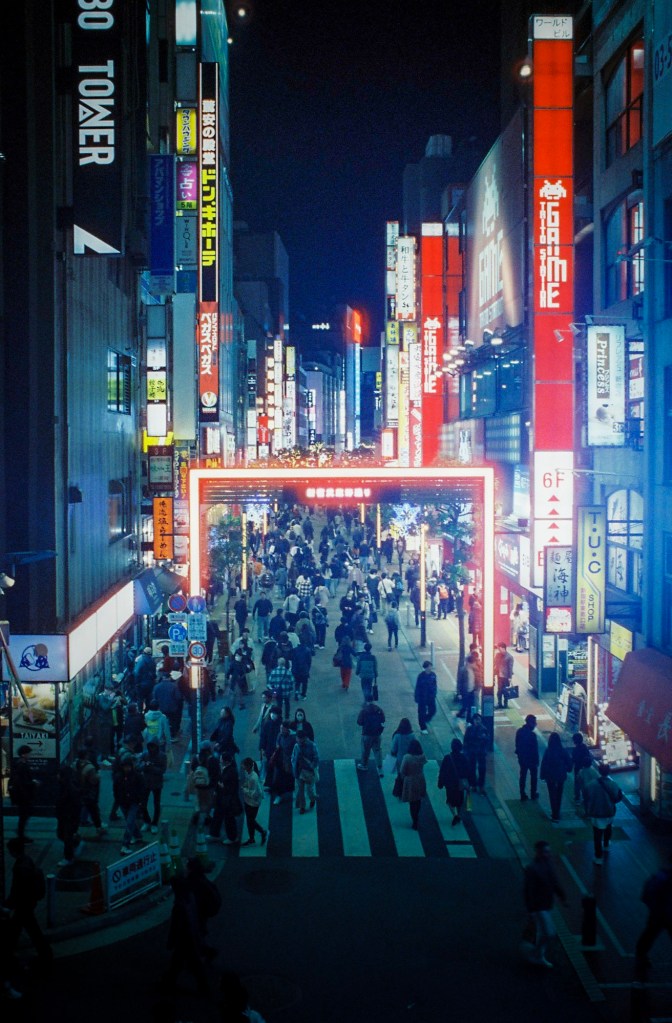
From what I’ve read, it seems to be modified Vision 3 500T, so I set my camera to ISO 500 for all shots. Admittedly, many didn’t turn out as I hoped—more due to my mistakes than the film itself—but quite a few came out reasonably well. As expected (and my primary reason for using this film), the standout feature is the halation effect when photographing light sources, which is especially pronounced with red lights.
Almost by chance, I stumbled upon an art installation in Ginza composed of neon lights, so I started there, then moved on to Shinjuku, and finished the roll in Shibuya—global hubs of neon signage.
I’m not entirely satisfied with the photos, mainly due to composition and subject choices rather than the film’s performance. Unfortunately, I made exposure mistakes in some shots, and this type of film is utterly unforgiving of errors. However, with the right settings, the results are more than acceptable.
It’s a 27 frame roll, I got 3 underexposed shots, 3 out of focus and many boring shots.
Unlike other reviews my roll had the DX code originally applied.
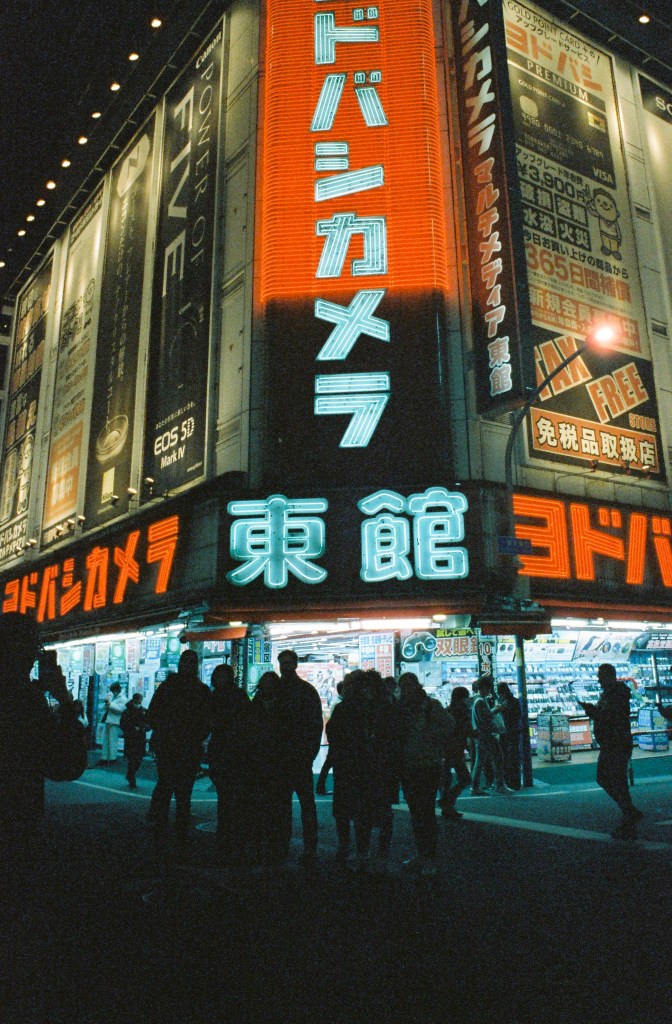
Here an example of what comes out if you fail at metering and underexpose it
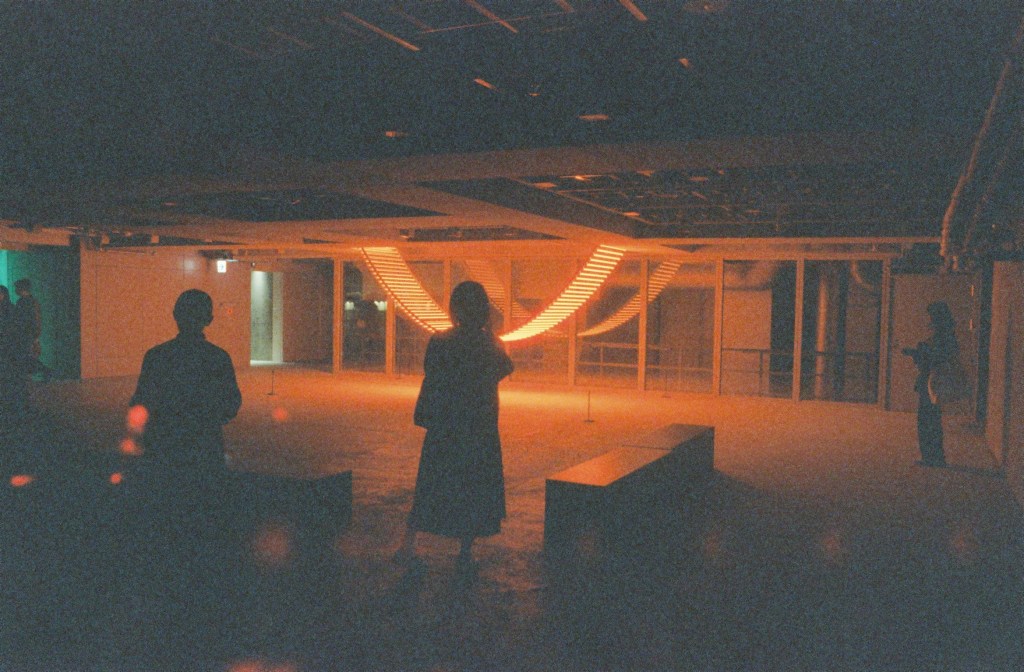
But if well exposed you can get something like this
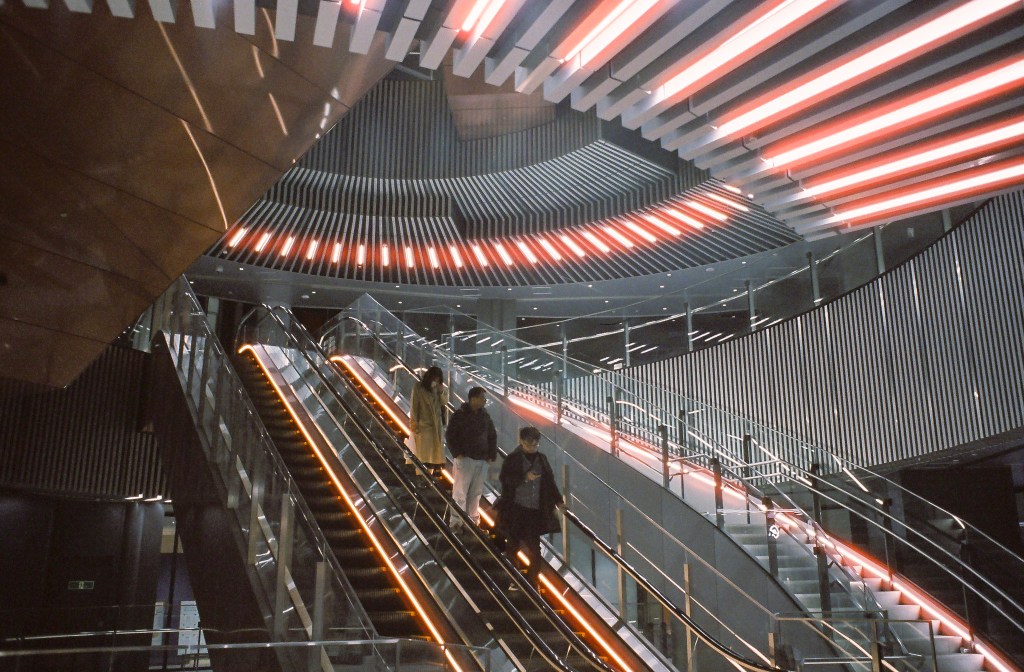
Curiously, none of the photos show the characteristic light leaks resembling electric shocks. Perhaps this is because I was careful when advancing and rewinding the roll, but it feels like an essential feature of the film might be missing.
What do you think about, do the light marks give character to the photo or do they ruin it?
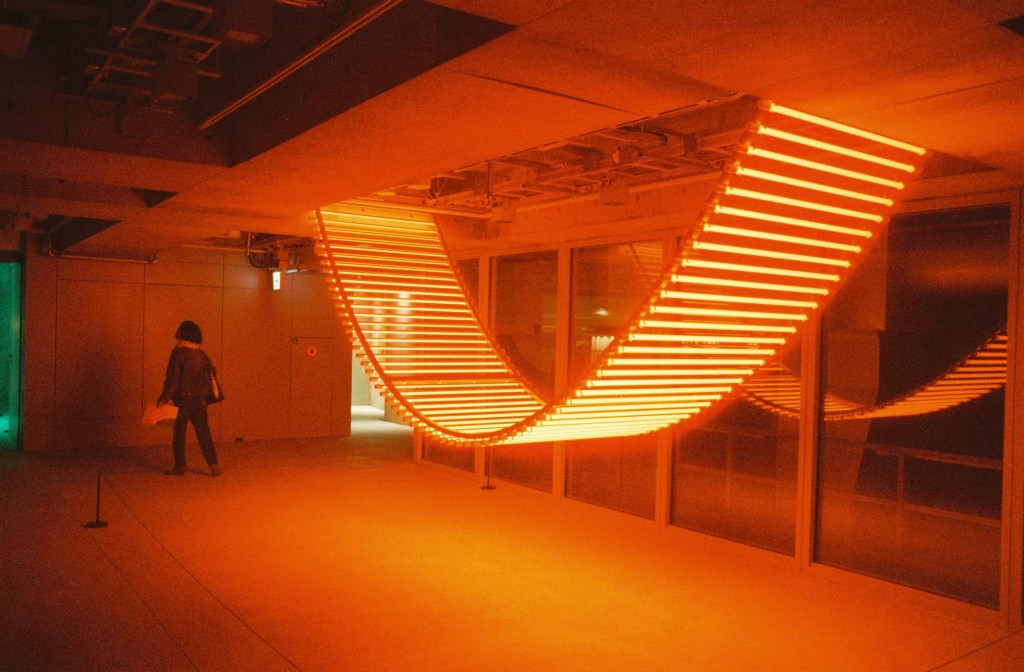
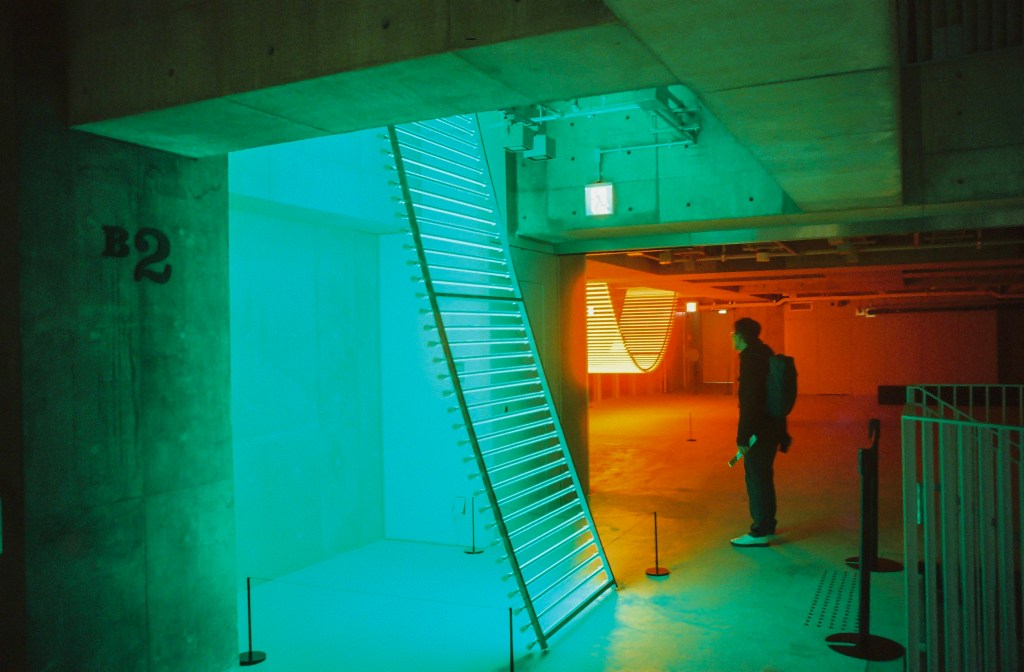
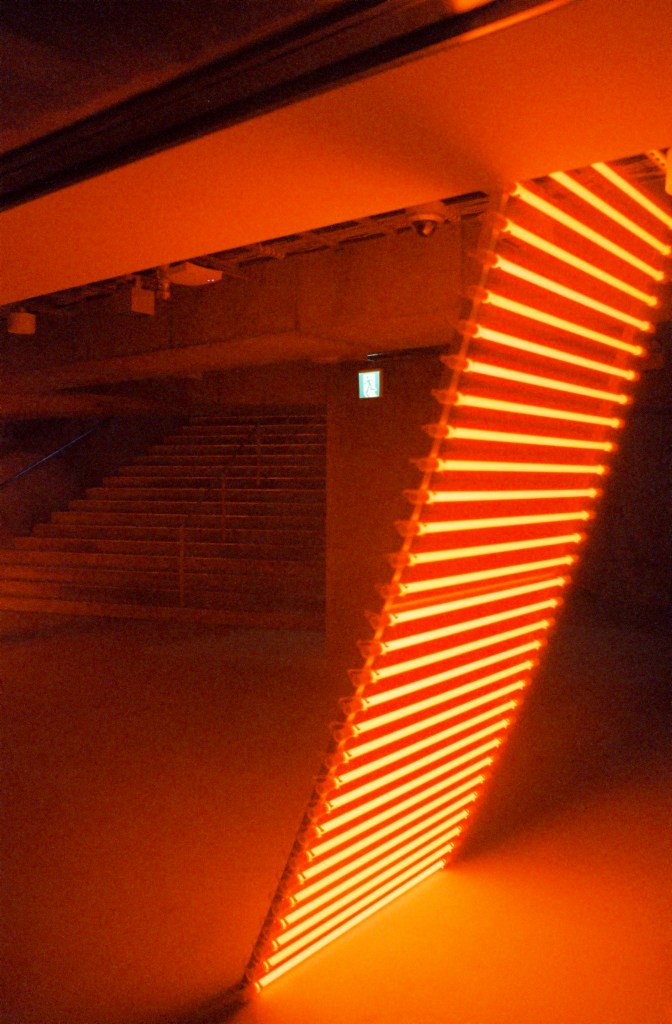
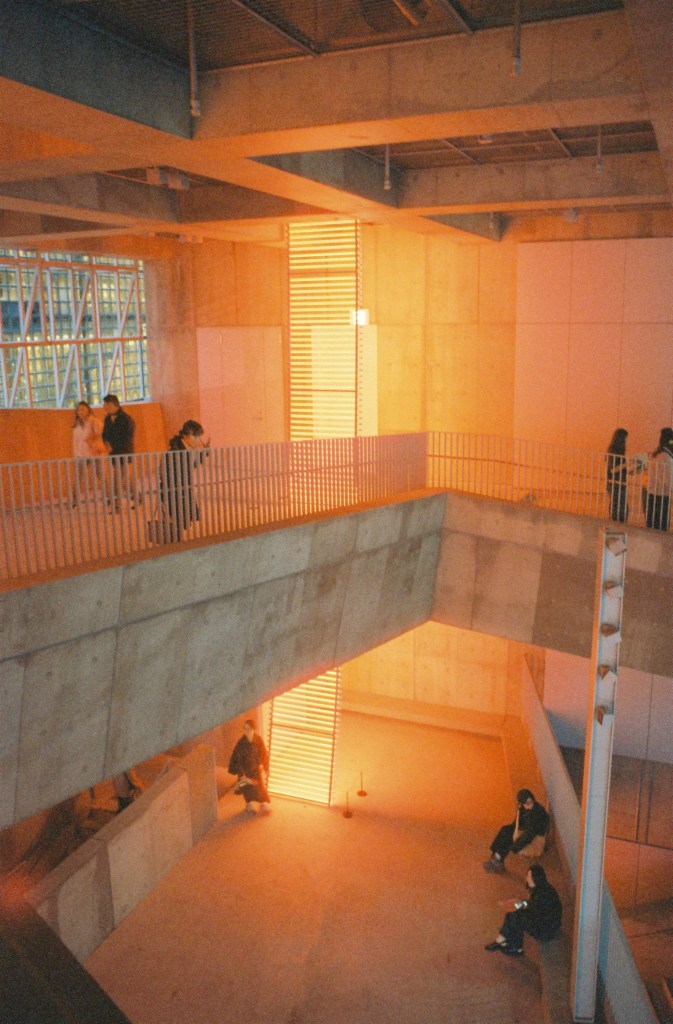
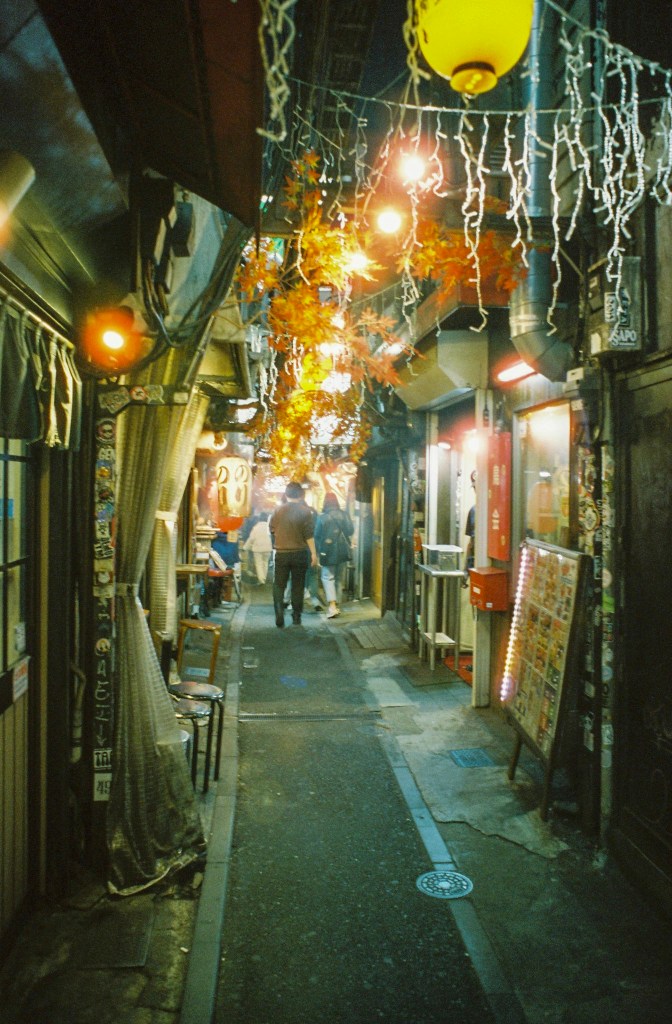
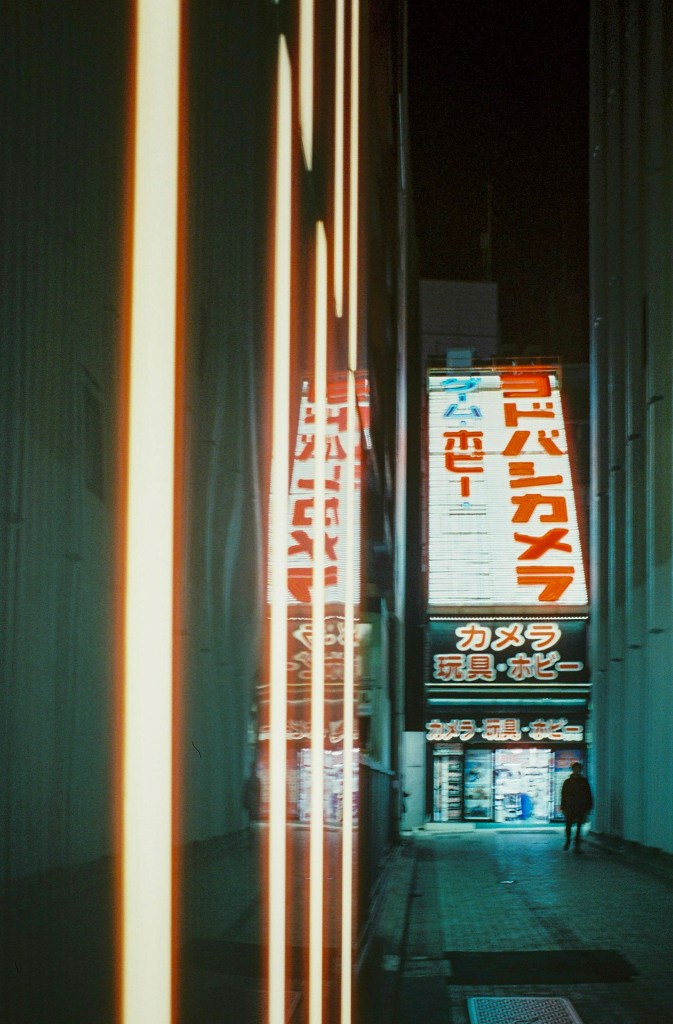
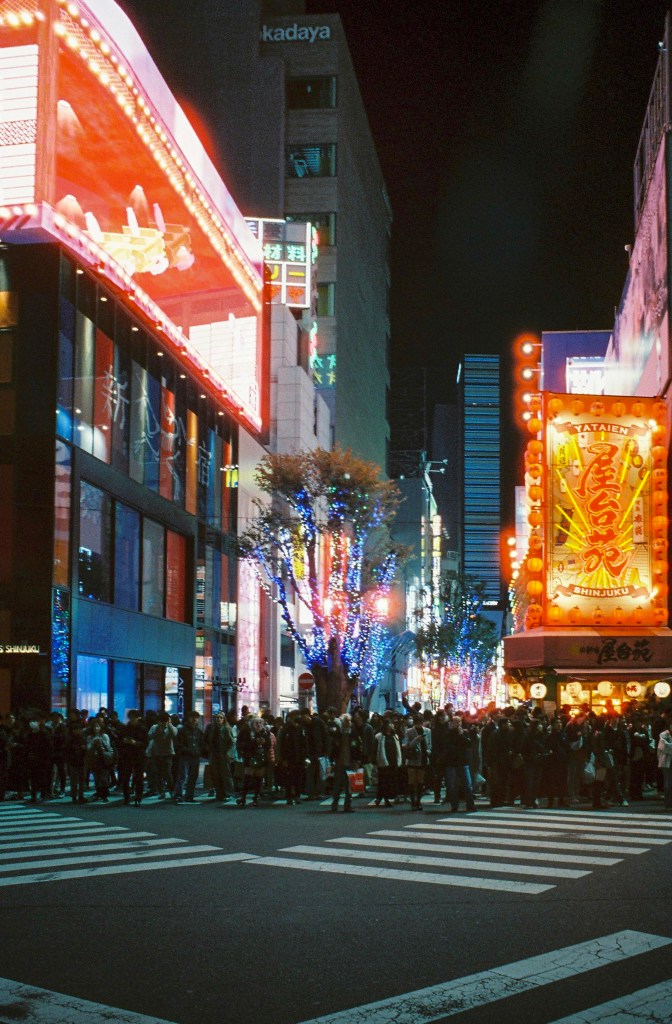
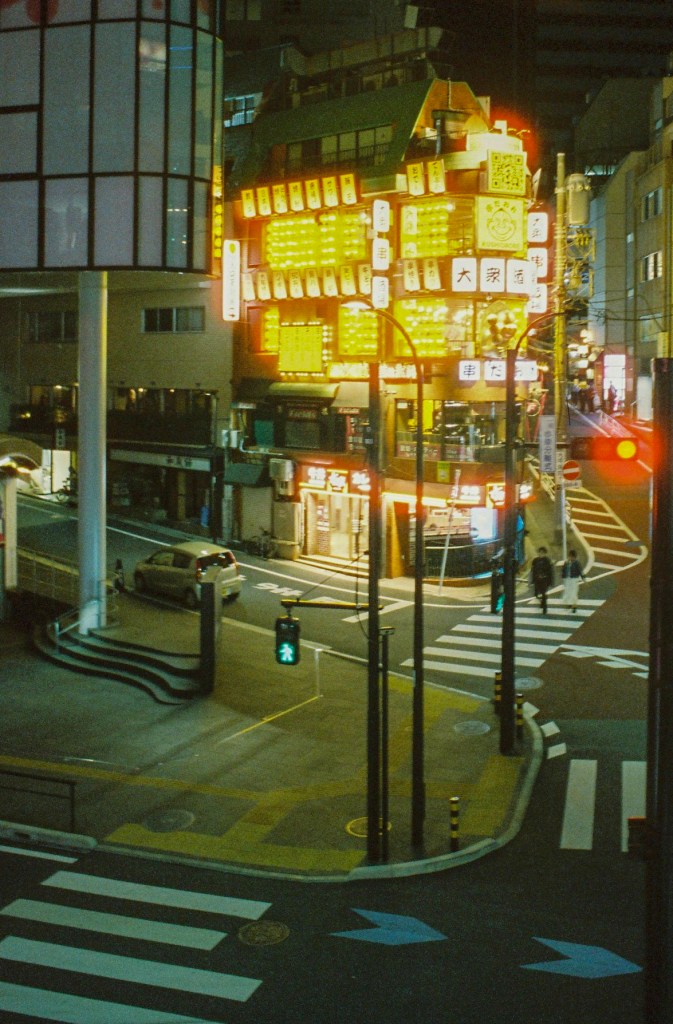
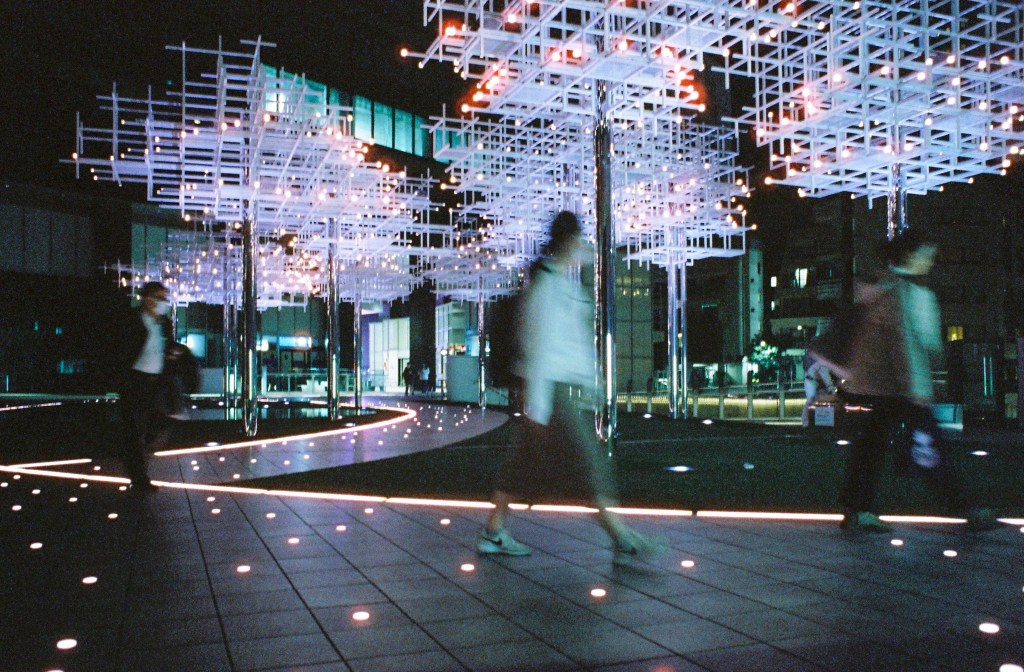
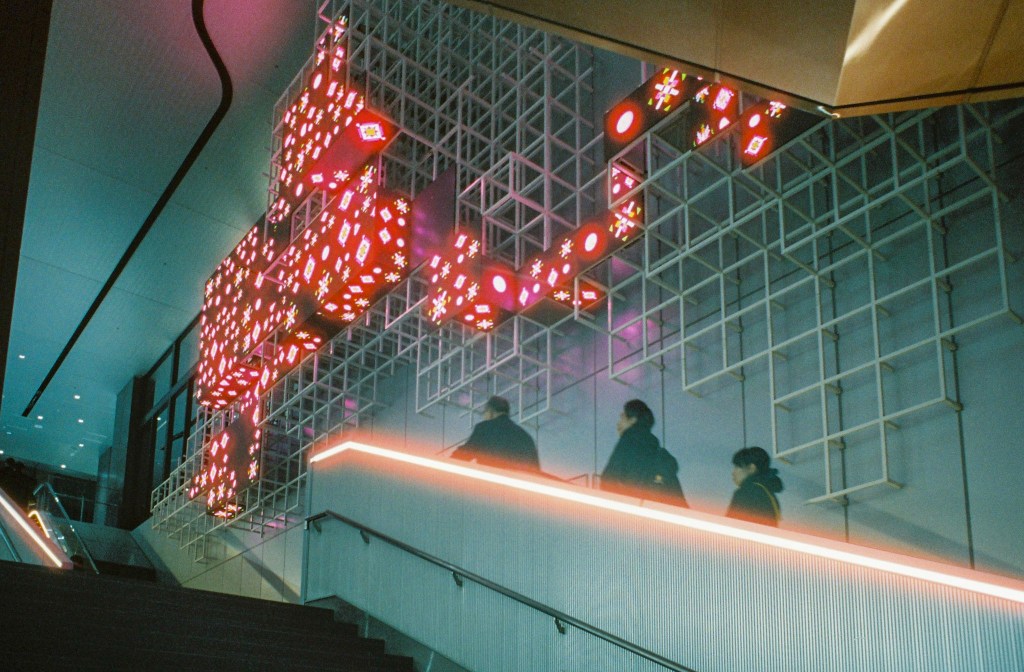
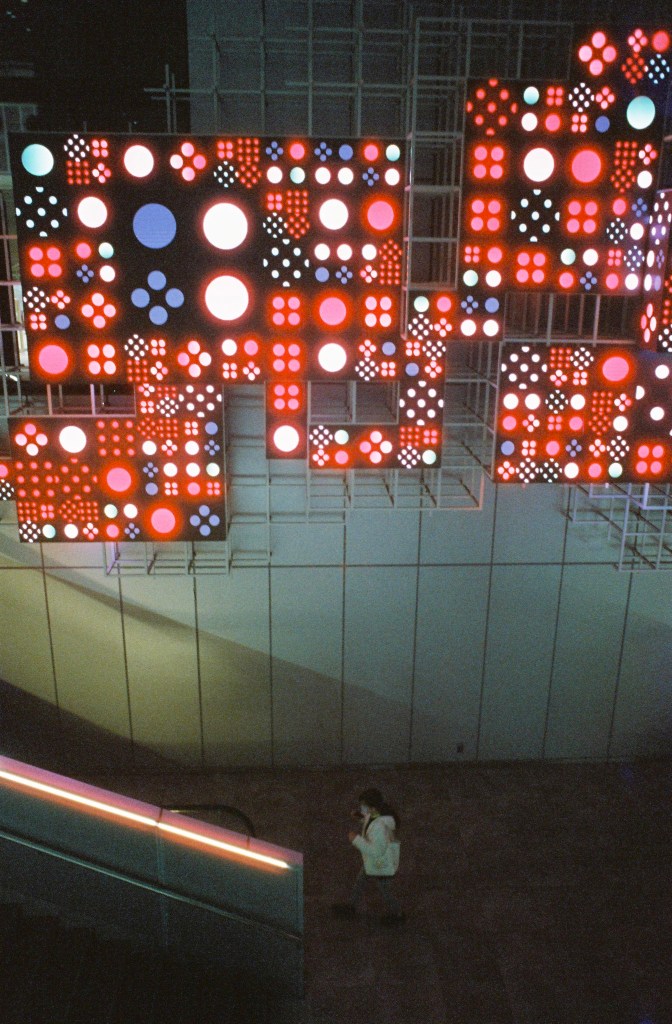
All photos taken with Minolta SRT Super + Mc-Rokkor 28mm F3.5 lens
Subscribe to stay updated
 Gabriele T. Enna